The latest Budget has created plenty of noise around tax, property and housing affordability.
But investors need to look past the headlines.
Because the real story is not just what changed. It is why those changes were made, what they reveal about the direction of the property market, and how investors should be thinking about their next move.
In this special episode of Brick to the Future, Cam McLellan and Matt Lewison unpack the Budget from a property investor’s perspective, cutting through the surface-level commentary to explain the bigger forces at play.
At the centre of the discussion is a simple but important point: Australia needs more housing, and the government’s policy settings are increasingly being shaped around that reality.
The Bigger Picture Behind the Budget
Much of the media coverage has focused on the immediate policy changes. But the more important question for investors is what those changes are trying to achieve.
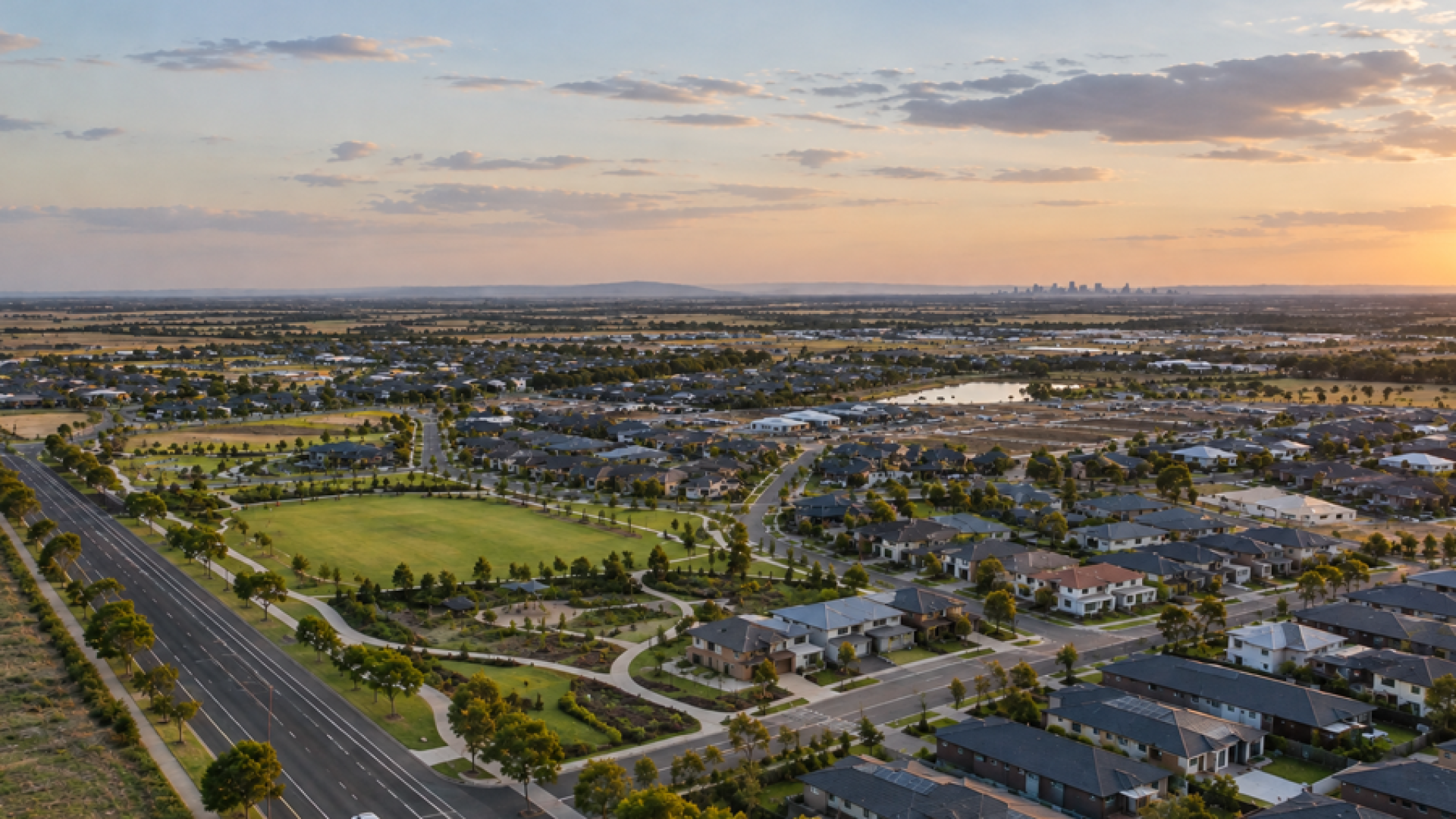
Australia is facing a long-term housing supply problem. There are not enough homes being built to keep up with demand, and this shortage has been putting pressure on both rents and property prices.
At the same time, construction costs have risen, labour remains tight, infrastructure delivery is slow, and major government projects are competing with the residential sector for workers and materials.
That means even if more housing is encouraged, it cannot simply appear overnight
The Budget may talk about improving supply, but the reality is more complex.
Why New Housing Matters
One of the clearest messages from the episode is the difference between buying an existing property and helping create a new one.
When an investor buys an established property, no new housing is added to the market. The asset simply changes hands.
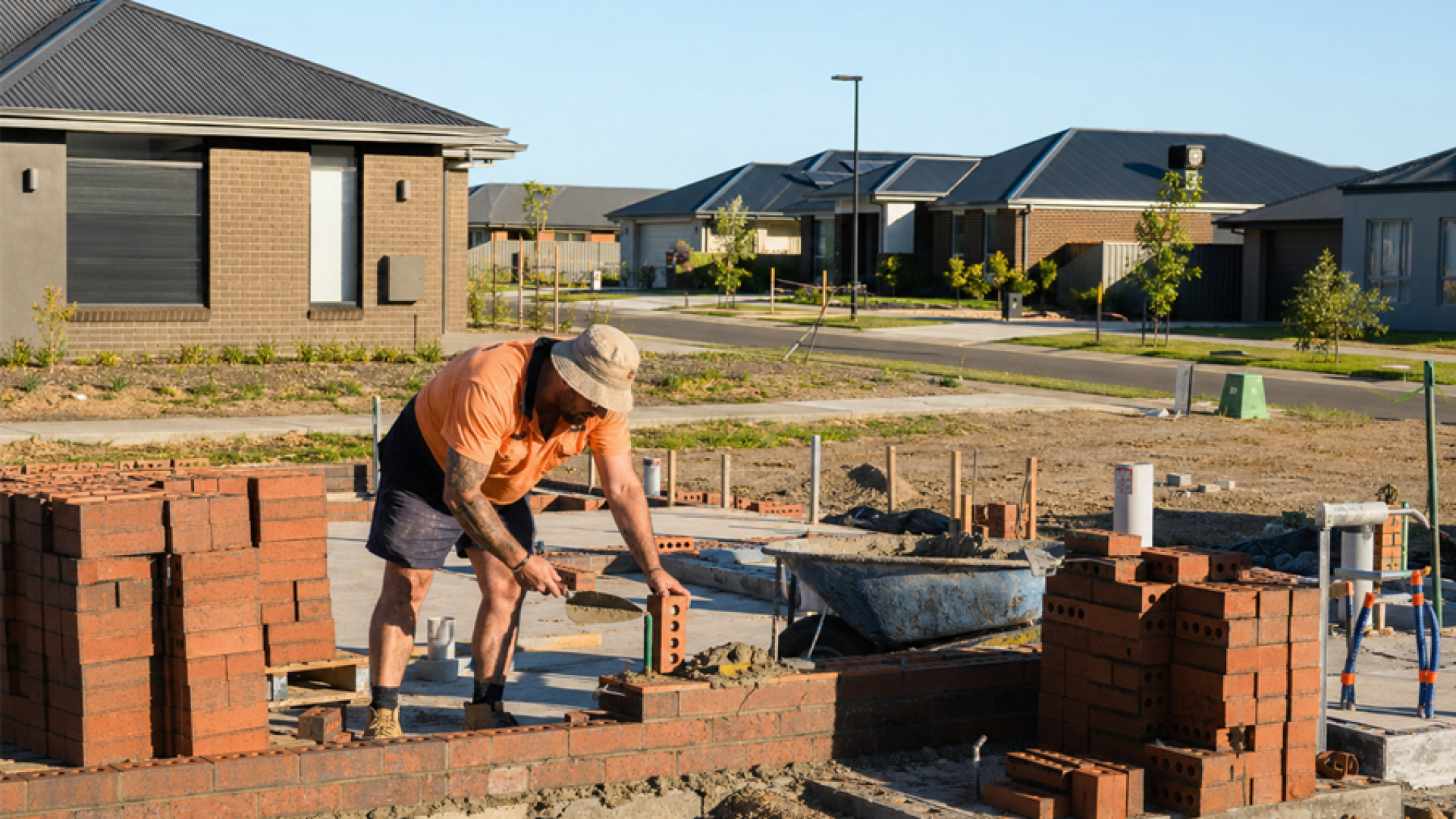
When an investor buys or builds a new property, it contributes to housing supply. It also creates broader economic activity through land development, construction, trades, materials, fixtures, fittings and ongoing services.
That is why new housing is so important.
It supports the economy, creates jobs and helps address the supply shortage. From a policy perspective, it makes sense that incentives are shifting towards assets that add value to the economy rather than assets that already exist.
What This Means for Investors
For property investors, the Budget should not be viewed in isolation.
It is part of a broader shift.
The transcript highlights that tax advantages are becoming less favourable for established assets, while new property remains central to the government’s housing supply agenda.
That does not mean every new property is a good investment. It means investors need to be more strategic than ever.
The right investment decision should be based on:
- The right capital city
- The right growth corridor
- Land supply and demand
- Population movement
- Rental pressure
- Construction costs
- Affordability
- Long-term growth fundamentals
Buying close to home because it feels familiar is not a strategy. The best investment property is unlikely to be the one that simply happens to be in your local postcode.
The Supply Problem Is Not Going Away
A key takeaway from the episode is that Australia’s housing shortage is likely to remain a major issue for years to come.
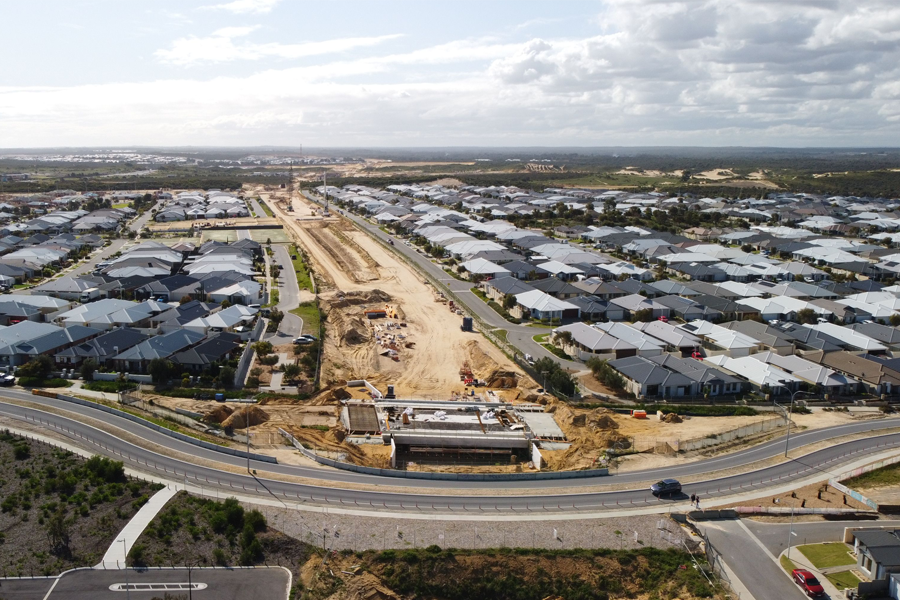
Even with government funding for infrastructure, delivery takes time. Roads, services, approvals and land releases do not happen instantly. On top of that, builders are still dealing with rising costs, limited labour and competing demand from large infrastructure projects.
This means housing supply may remain constrained in the short to medium term.
And when supply is constrained, rents and prices can remain under pressure.
The affordable end of the market is especially important. As the cost of producing new homes rises, the entry-level price point can also be pushed higher. This is one reason the lower end of the market has performed strongly across several capital cities.
Why Market Selection Matters
The discussion also points to the importance of choosing markets carefully.
Some cities have already experienced significant growth at the entry level, making affordability a bigger challenge. Others may still offer stronger opportunities where the price floor has room to move and demand remains supported.
Melbourne was highlighted as a market worth watching because of its relative affordability compared with cities such as Brisbane and Perth, where entry-level prices have already risen sharply.
But the lesson is not simply “buy in Melbourne”.
The lesson is that investors need to understand the data behind each market. That includes supply, demand, population flows, infrastructure, rental conditions and future affordability.
The Investor Takeaway
The Budget is more than a policy announcement. It is a signal.
It shows where government priorities are heading and reinforces the importance of new housing in Australia’s property market.
For investors, the opportunity is not in reacting to headlines. It is in understanding the long-term fundamentals and building a strategy around them.
Australia needs more homes. Supply remains constrained. Rental pressure is likely to continue. And investors who can identify the right markets, growth corridors and property types may be better positioned for the years ahead.
The market is changing.
The investors who adapt with a clear, data-led strategy will be the ones best placed to move forward with confidence.
Want to Understand What This Means for Your Property Strategy?
If you want to know how the Budget, housing supply and market conditions could impact your next investment decision, speak with OpenCorp.
Book a free discovery call today.