Why the latest budget changes could strengthen demand for new builds, and what investors need to understand before reacting emotionally.
The 2026 Federal Budget delivered some of the most heavily discussed property policy announcements in recent years. But while headlines focused on fear, tax changes and uncertainty, the reality beneath the surface tells a very different story for strategic investors.
At OpenCorp, we’ve spent more than 20 years helping Australian’s build long-term wealth through property by focusing on fundamentals, not media panic. And as we unpacked in our latest market update, the budget outcomes largely reinforce the exact investment strategy we’ve been advocating for years: quality new-build property in undersupplied markets.

The Big Picture: What Is This Government Trying To Solve?
To understand the budget changes, you first need to understand the government’s core problem: Australia has a housing supply crisis.
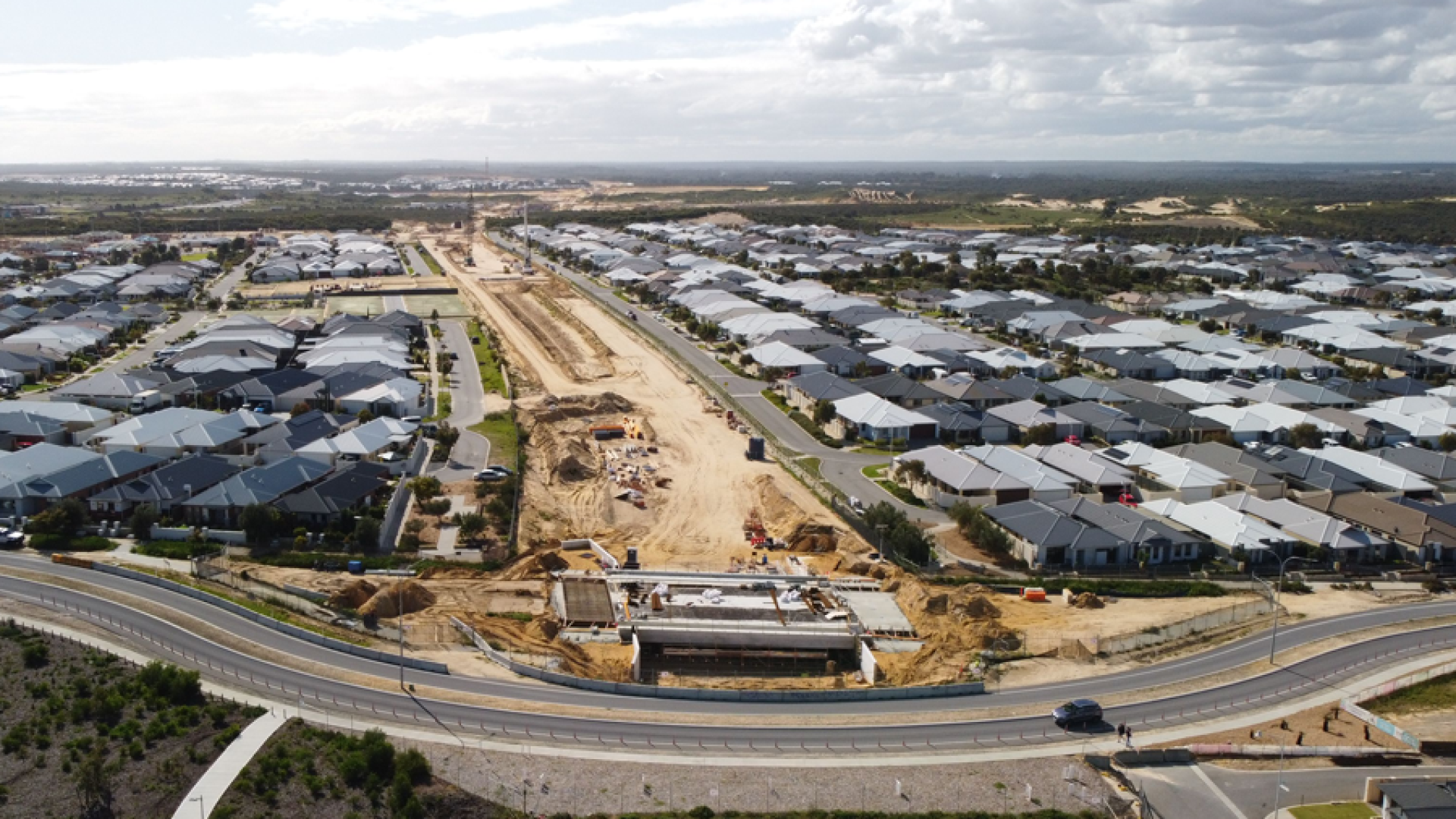
Demand continues to rise through strong population growth and migration, while construction capacity, land availability and planning constraints continue to restrict new housing supply.
The government’s policies are designed to encourage investment into new housing stock rather than established property.
That distinction matters.
Key Budget Changes Explained
- Negative Gearing Changes: New Builds Become Even More Attractive
One of the biggest announcements was the change to negative gearing.
From 1 July 2027, negative gearing on residential property will be limited to new builds only. Established properties purchased after that date will no longer receive negative gearing benefits.
For investors focused on new property, this is a major structural advantage.
Why this matters:
“This is a game changer for brand new” – Michael Beresford
The difference in holding costs could become substantial:
- A quality new build investment property with strong rental yield and depreciation benefits may cost you significantly less to hold each week.
- Equivalent established properties may require dramatically higher out-of-pocket cash flow without the same tax advantages.
This policy shift is likely to:
- Increase investor demand for new builds
- Push construction demand higher
- Increase build costs further
- Accelerate rental growth
Importantly, none of the underlying construction workforce shortages have been solved.
- Existing Investors Are Protected Through Grandfathering
A key concern leading into budget night was whether existing investors would lose current tax benefits.
That did not happen.
The government confirmed grandfathering provisions, meaning:
- Existing investment properties retain their current tax treatment
- Investors who already own established property are unaffected
- There is no retrospective removal of negative gearing benefits
This is exactly why reacting emotionally to media speculation can be costly.
In fact, we highlighted that:
- 22,500 investment properties were sold in the last quarter alone due to investor fear
- Many of those investors may now miss out on future capital growth and rising rents
- Capital Gains Tax (CGT) Changes
The government also announced changes to the Capital Gains Tax discount system.
The existing 50% CGT discount will move toward a cost-based indexation model.
In simple terms:
- Inflation adjustments will be factored into capital gains calculations
- Investors in new property may still retain favourable treatment
- Existing owners will need valuations to separate pre-post change growth periods.
While the headlines around CGT sound dramatic, the broader context matters.
“If prices have gone up 400% since 1999, and treasury expects these changes might reduce prices by at most 2%, you’ve still done very, very well out of property.” – Michael Beresford.
Why Supply Constraints Still Favour Property Growth
Despite new infrastructure funding announcements, Australia’s supply issues remain severe.
The budget included:
- A $2 billion infrastructure fund
- Support aimed at increasing housing supply
- Policies intended to encourage construction
But there are still major structural problems:
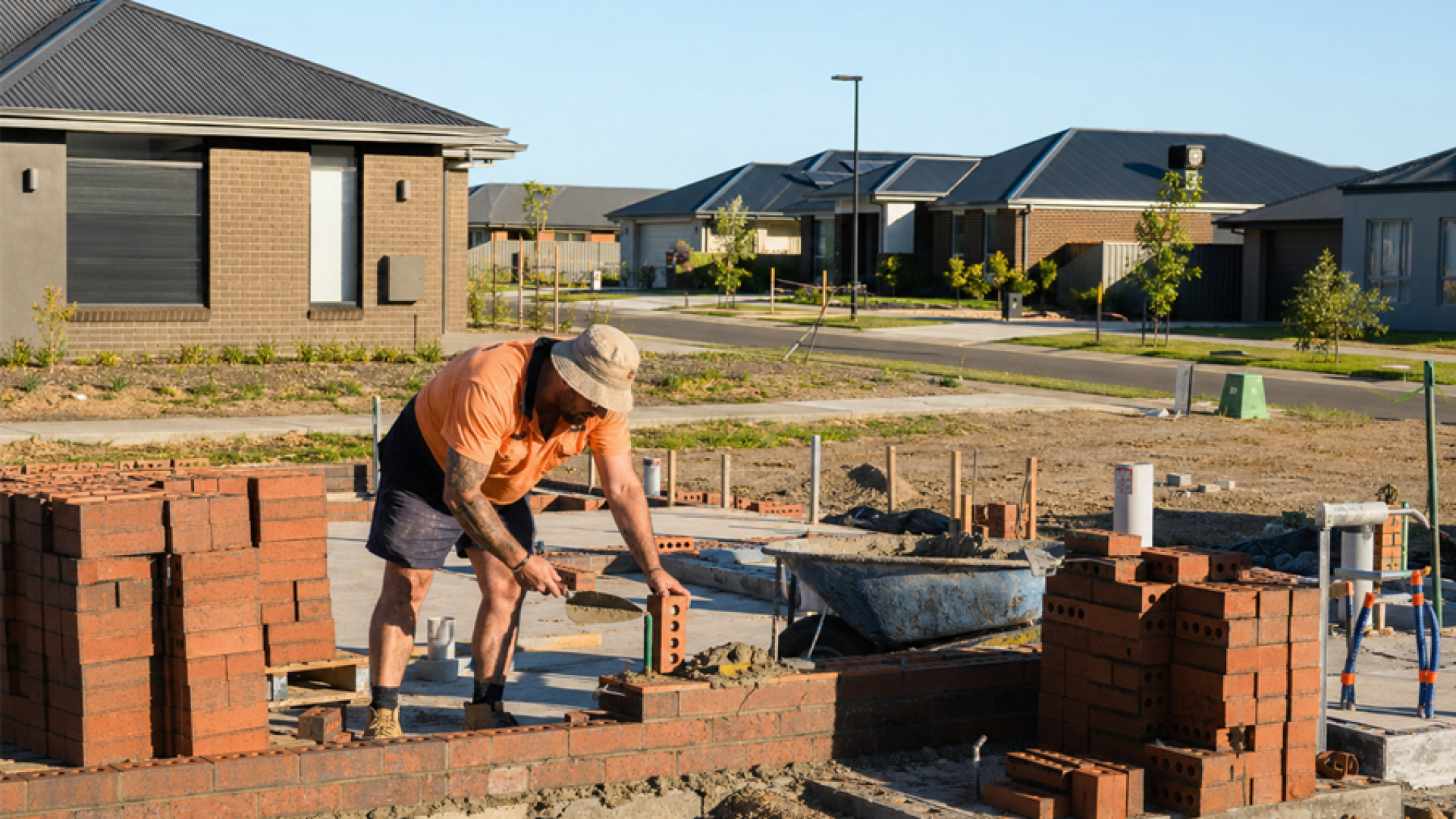
- Limited workforce shortages
- Limited land supply
- Planning and approval delays
- Rising build costs
- Population growth outpacing housing delivery
The result?
Demand is still expected to exceed supply for years to come
Population Growth Remains The Biggest Driver
One of the most important long-term property fundamentals remains unchanged: Australia relies heavily on population growth.
And the numbers continue to surprise on the upside.
Government migration forecasts have consistently underestimated actual migration levels.
As highlighted in our budget recap video:
- Net overseas migration remains extremely strong
- Housing supply cannot keep pace
- More people continue competing for limited housing stock
This is one of the core reasons OpenCorp continues focusing on:
- Affordable market segments
- New-Build opportunities
- High-demand growth corridors
- Properties below median house prices
The Real Risk for Investors? Emotional Decision-Making
History repeatedly shows that fear-based decisions can be incredibly expensive.
Michael referenced the Queensland tax panic in 2022, where many investors sold properties unnecessarily, only to watch prices and rents surge afterwards.
“Making emotional and irrational decisions quickly in response to uncertainty is probably the biggest mistake people make”
For long-term investors, understanding the underlying drivers matters far more than reacting to headlines.
What This Means for Property Investors Moving Forward
At OpenCorp, our view remains clear:
The long-term fundamentals supporting new residential property remain exceptionally strong.
Why?
- Demand continues rising
- Supply remains constrained
- Rental markets are tightening
- Government policy now further favours new housing
- Build costs are unlikely to get cheaper
- Population growth remains structurally high
Or as Michael summed it up:
“It’s not going to be cheaper to build a new home than what it is today. The longer you wait, the more you’ll pay.”
Final Thoughts
The 2026 Federal Budget has created uncertainty for some investors, but also significant opportunity for those who understand the bigger picture.
While media headlines focused on fear, the practical outcome is that:
- New builds become more attractive
- Rental supply remains constrained
- Demand fundamentals stay strong
- Strategic investors remain well positioned
As always, successful investing comes back to understanding the drivers behind the market, not reacting emotionally to short-term noise.
If you would like some guidance on how these changes affect your personal investment strategy, the OpenCorp team is here to help.